




I approached Heartbeat Beats VPN:FAST SAFE as a personalization app rather than treating it like a conventional privacy utility. Its short store message points toward a smooth, connected experience, but the name can easily create a different expectation: many people will assume that any app with “VPN” in its title is mainly about changing network locations, hiding an address, or securing public Wi-Fi. That distinction matters before you install it. My first recommendation is to decide whether you want a personalization-focused app with a VPN-branded identity, or a full replacement for a dedicated privacy service.
The app is developed by Pet.Z and is free to use, with an Everyone content rating. It has reached more than a million installs and holds an average rating of 3.9 from roughly 467 ratings. Those figures suggest that it has attracted a meaningful audience, while also leaving enough room for a mixed experience rather than universal approval. I would describe it as an app worth testing carefully, especially if you are curious about its “stay connected, stay smooth” approach, but not one I would install blindly in place of a trusted security tool.
How Heartbeat Beats VPN:FAST SAFE feels today
The current release is version 2.0.0, and that version number is important when judging the app. It indicates a product that has moved beyond its earliest build, but I would still treat it as something to evaluate with practical expectations. A version change can improve the basic flow, reduce rough edges, or reorganize the experience, yet it does not automatically make an app a complete alternative to long-established VPN products. In my view, the right way to use this release is to test whether it fits your routine instead of assuming that the title tells the whole story.
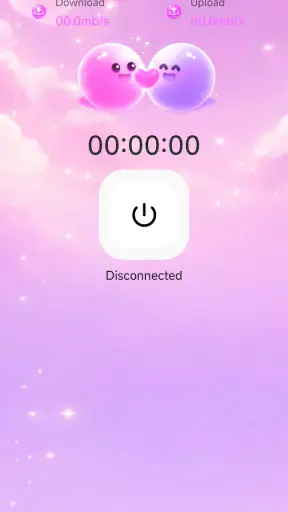
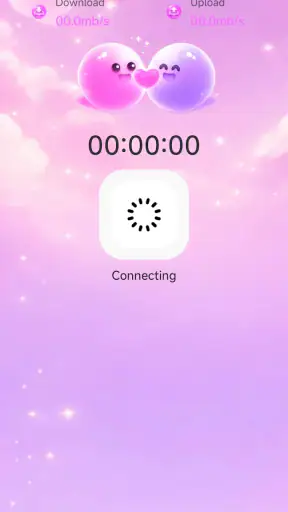
For a personalization app, convenience is the first thing I look for. I want to understand what the app is doing without having to decode technical language, and I want its main action to feel predictable. That is especially true here because the VPN wording makes the app sound more technical than a typical customization download. If you are comfortable exploring an unfamiliar utility, you may find the experience approachable. If you expect a detailed server map, extensive connection controls, or a mature privacy dashboard, you should keep your expectations modest until you have checked the actual interface yourself.
The app supports Android devices running version 7.0 or later, which makes it accessible to people using older phones as well as newer models. That broad compatibility is useful for households with mixed devices or for anyone keeping an older handset alive as a backup. It also means that the experience may vary more noticeably between phones, Android versions, screen sizes, and manufacturer software. I would test it on the device you actually plan to use rather than assuming that a smooth result on one phone will feel identical on another.
My practical first step would be to install it on a secondary device or use it during a low-risk part of the day. I would note how quickly the app opens, whether its main controls are obvious, and whether enabling or leaving the app changes the way other applications behave. This is not because the app should be treated with suspicion by default; it is simply a sensible habit whenever a personalization product uses network-related language. A few minutes of observation can tell you more than the title alone.
What the version update changes in the decision
The move to version 2.0.0 gives the app a clearer point of evaluation than an early experimental build would. I would expect a release at this stage to be judged on consistency: does it launch reliably, does it make its central purpose understandable, and does it remain comfortable during ordinary phone use? Those are the qualities that decide whether an app becomes part of a daily routine. They matter more to me than a long list of decorative options that I would rarely touch.
At the same time, I would not turn the version number into a promise about capabilities that are not plainly visible in the app. The name and release position tell me that the project has evolved, but they do not by themselves prove a particular level of encryption, a certain number of locations, a connection speed, or a specific privacy policy. For a VPN-oriented product, those details are central. I would look for clear explanations inside the app and its official store materials before using it for sensitive work, banking, confidential communication, or travel on an untrusted network.
This is one of the more important trade-offs with the current release. A simple app can be easier to understand than an overloaded privacy suite, but simplicity becomes a weakness if it hides decisions that users need to make. I prefer a clean design when it still explains what is happening. If the app keeps the experience minimal while leaving the network behavior unclear, I would choose a more transparent specialist service instead.
Existing users who are moving from an earlier version should approach the update as a fresh usability check rather than assuming that every previous habit remains unchanged. A new release can alter where controls appear or how quickly the app responds. I would revisit the settings, confirm which options are enabled, and check that the app still behaves the way I want after restarting the phone. That small review is particularly worthwhile if I use the app automatically or leave it active for long periods.
Where it fits into an everyday routine
Imagine that I keep an older Android phone as a media device at home. I want a straightforward personalization tool that does not demand much attention, and I am curious about an app that combines a smooth connected feel with VPN branding. I could install Heartbeat Beats VPN:FAST SAFE, explore its main screen, and use it for ordinary browsing while I watch for interruptions, confusing prompts, or changes in battery behavior. If the experience stays unobtrusive and the controls make sense, it may earn a place on that secondary phone.
That scenario is different from using it while signing into a work account at an airport. In that situation, I need confidence about the provider, the connection method, the handling of traffic, and the availability of support. A free app can be appealing when I only want to experiment, but “free” should not be confused with a complete security guarantee. I would use the app for low-stakes testing first and reserve sensitive activity for a service whose privacy documentation and technical scope I understand clearly.
Another realistic use is a family member with an older Android handset who wants a simple way to personalize the phone without dealing with a complicated subscription flow. The Everyone rating and wide Android support make the app easier to consider in that context. I would still explain that the VPN wording does not mean the app should automatically be trusted with every kind of traffic. Helping someone understand that difference is more useful than simply telling them to press the main button.
I also see a possible role for people who dislike crowded interfaces. Many established VPN alternatives are built around server selection, protocol choices, account management, diagnostics, and subscription tiers. That depth is valuable for experienced users, but it can feel like overkill for someone who wants a small, focused experience. Heartbeat Beats VPN:FAST SAFE may appeal to that audience if its current interface stays direct. The trade-off is that a simpler product may offer fewer ways to inspect or fine-tune what it is doing.
How I would compare it with familiar alternatives
Compared with a standard personalization app, this product has a more network-oriented identity. That can make it stand out to users who want their customization experience to feel connected rather than purely visual. However, a typical personalization app is usually easier to judge because its purpose is obvious from the first screen. With this app, I would spend extra time separating its personalization role from any assumptions about full VPN protection.
Compared with a dedicated VPN from an established privacy provider, the comparison becomes less favorable for anyone seeking advanced control or detailed reassurance. Specialist services commonly make their network purpose central, so users can evaluate locations, connection behavior, account options, and privacy explanations in one place. I would choose that type of product for remote work, repeated public Wi-Fi use, streaming decisions that depend on location, or any situation where network privacy is the main requirement.
Compared with a basic free VPN utility, the choice depends on what feels clearer during actual use. A free specialist app may still be a better fit if it explains its connection behavior and limitations more directly. Heartbeat Beats VPN:FAST SAFE is more interesting when I value a lighter, personalization-oriented experience and do not need a full technical toolbox. The important point is not which app has the more impressive name; it is which one makes its purpose and boundaries easiest to understand.
There is also a practical cost comparison. Because this app is free, it is easy to try without committing money. That lowers the barrier for casual users and makes it suitable for a short evaluation on an older device. It does not remove the need to think about privacy, advertisements, battery use, or the kind of information that passes through a network-related app. I would judge the free price as a reason to test it, not as proof that it is the best long-term option.
Small checks that make the experience safer and smoother
My first useful tip is to create a simple before-and-after check. Before using the app, I would note how my usual browser, messaging app, and media app behave on the same network. Then I would repeat those actions after enabling the app. This helps identify practical friction, such as a service that stops loading, a login that needs extra verification, or a connection that feels less stable. It also prevents me from blaming the app for a problem that was already present.
My second tip is to review the app after a phone restart. Network-related tools can feel fine immediately after installation but behave differently when Android restores background activity. I would check whether the app starts by itself, whether its state is visible, and whether I can easily disable it when I no longer need it. This is a useful workflow for anyone who wants occasional protection or connectivity rather than a service running continuously.
A third tip is to keep the app’s role narrow until I understand it. I would not begin by routing every important activity through it. I would test ordinary browsing, observe how other apps respond, and read the available explanations before expanding its use. This staged approach is especially sensible for a free application with VPN language, because it gives me time to assess clarity and reliability without putting essential accounts at the center of the experiment.
A fourth insight is that older hardware deserves special attention. Android support beginning with version 7.0 is convenient, but an older phone may have limited memory, a worn battery, or manufacturer-specific background restrictions. If the app feels slow, I would compare it on a newer device before deciding that the product itself is at fault. Conversely, if it works well on an older handset, that is a meaningful practical strength for users who are not upgrading frequently.
Who should use it and who should skip it
I would recommend trying Heartbeat Beats VPN:FAST SAFE to someone who wants a free, accessible personalization app and is comfortable checking its behavior personally. It is also a reasonable candidate for a secondary Android device, casual browsing, or users who prefer a less intimidating starting point than a feature-heavy privacy suite. The combination of a current version 2.0.0 release, broad Android compatibility, and a sizable install base makes it easy to justify a cautious trial.
I would not make it my first choice for someone whose main goal is proven, transparent VPN security. A remote employee handling confidential files, a traveler relying on public networks, or a user who needs precise location and protocol controls would be better served by a dedicated provider with clearly documented privacy practices. I would also suggest skipping it if the VPN branding itself is the only reason for downloading it and the app’s actual personalization experience does not match what you want.
The rating of 3.9 is another reason to keep the decision personal. It is not a warning that the app is unusable, but it does suggest that the experience may not satisfy everyone equally. I would pay attention to recurring complaints in current user feedback, especially comments about stability, confusing behavior, or compatibility with particular phones. A rating is a starting signal; the more useful question is whether the reported problems resemble the way I plan to use the app.
What I would watch in future releases
For the next stage of the product, I would watch for clearer separation between personalization and VPN functionality. Users should be able to tell what changes on the phone, what affects the network, and what remains outside the app’s control. Better explanations would increase my confidence more than a busier interface would. I would also value visible controls for starting, stopping, and checking the current state without making users hunt through menus.
I would also watch how the app handles reliability across different Android devices. Since it supports older systems as well as current phones, consistency will be a meaningful test of its evolution. A strong update would make the everyday workflow more predictable, reduce confusion after restarts, and preserve a light feel without hiding important network information. Those improvements would help the app compete more credibly with both simple personalization tools and specialist VPN alternatives.
Finally, I would look for continued transparency around privacy, data handling, and the exact boundaries of the connection features. I am not asking every user to become a network engineer. I am asking for enough plain-language information to make an informed choice. Until that is clear, I see this as a cautious, free experiment rather than a universal security recommendation.
My final view is balanced: Heartbeat Beats VPN:FAST SAFE is interesting because it sits between personalization and VPN-style utility, and its current release gives curious Android users a straightforward opportunity to test that combination. The app may suit casual users, older devices, and people who prefer a lighter experience. For sensitive privacy needs, I would still choose a dedicated alternative with stronger technical transparency. Try it for convenience, but judge it by what it clearly does in your own routine—not by the VPN label alone.


